1. What Is a CBCT Scan? A CBCT (Cone Beam Computed Tomography) scan is an advanced form of dental imaging that creates detailed three-dimensional views of the teeth, roots, surrounding bone, and nearby anatomical structures. Unlike a conventional dental X-ray, which provides a flat two-dimensional image, CBCT allows the dentist to examine the tooth from …


1. What Is a CBCT Scan?
A CBCT (Cone Beam Computed Tomography) scan is an advanced form of dental imaging that creates detailed three-dimensional views of the teeth, roots, surrounding bone, and nearby anatomical structures. Unlike a conventional dental X-ray, which provides a flat two-dimensional image, CBCT allows the dentist to examine the tooth from multiple angles.
2. How Can CBCT Improve Root Canal Treatment?
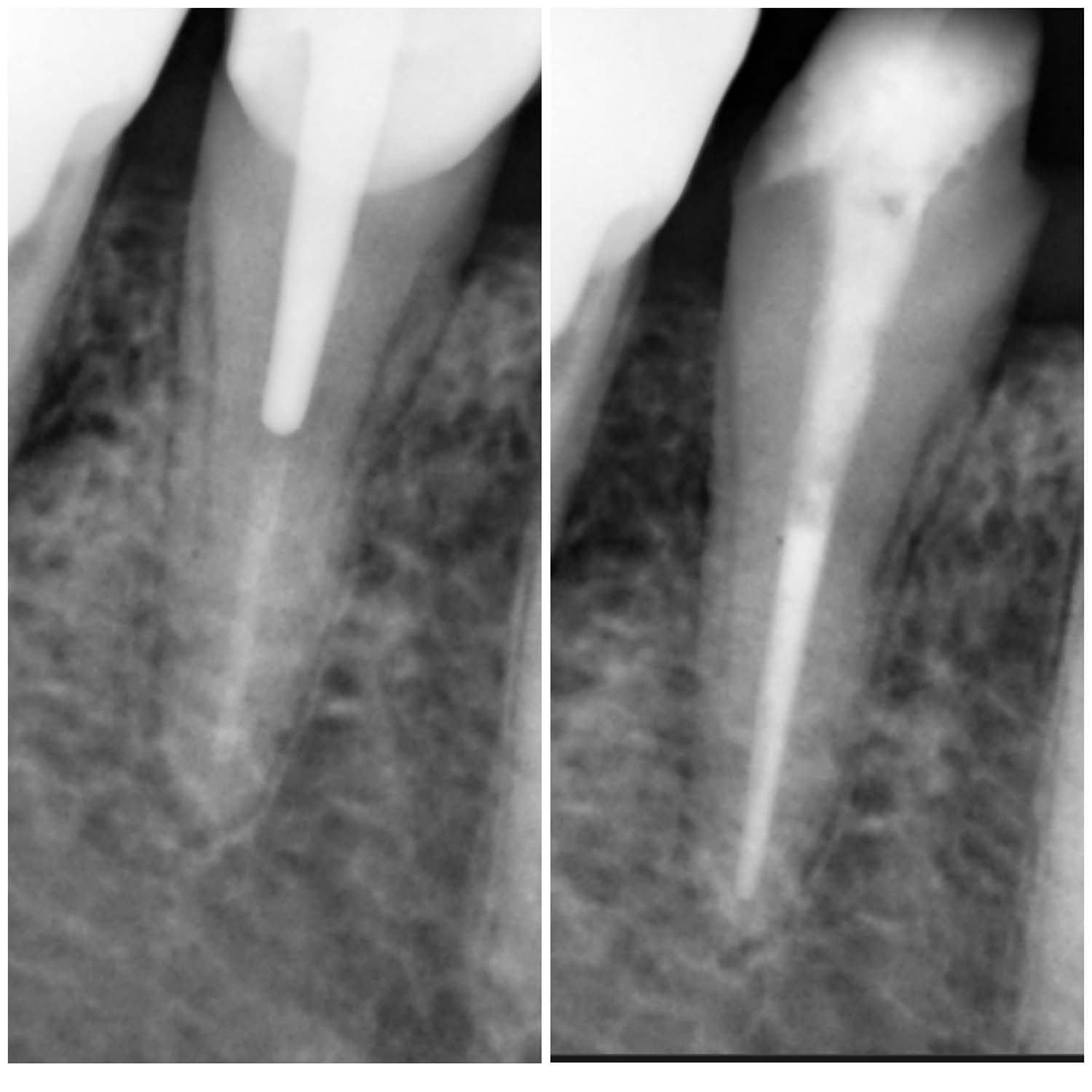
Root canal anatomy can sometimes be complicated and difficult to see clearly on conventional X-rays. A CBCT root canal scan can provide additional information that may help identify hidden canals, complex root anatomy, infections, fractures, or changes around the root.
This information can be particularly valuable when planning advanced root canal treatment or retreatment.
3. When Might You Need a 3D Dental Scan?
Your dentist or endodontist may recommend CBCT when:
- The tooth has unusual or complicated root anatomy
- A previous root canal treatment has failed
- Symptoms continue after root canal treatment
- A missed canal is suspected
- The canals are severely calcified or difficult to locate
- A root fracture is suspected
- Root resorption is present
- There is an extensive infection around the tooth
- A conventional X-ray does not provide enough diagnostic information
- Complex retreatment or surgical treatment is being considered
4. What Can a CBCT Scan Reveal?
A 3D dental scan can help your dentist assess areas that may not be clearly visible on traditional X-rays, including the number and position of root canals, the shape and curvature of roots, bone changes around the tooth, root resorption, and the relationship between the tooth and surrounding anatomical structures.
5. Does Every Root Canal Require CBCT?
No. CBCT is not necessary for every patient or every routine root canal treatment.
Because CBCT uses ionizing radiation, it should be prescribed selectively when the additional information is expected to contribute meaningfully to diagnosis or treatment planning. Your dentist will determine whether a 3D scan is appropriate based on your symptoms, clinical findings, and the complexity of your case.
6. CBCT and Dental Microscopes: Advanced Endodontic Care
For complex cases, combining CBCT imaging with a dental operating microscope can provide valuable advantages.
CBCT helps the dentist understand the three-dimensional anatomy before treatment, while the microscope provides enhanced magnification and illumination during the procedure. Together, these technologies can support a more precise approach to challenging root canal cases.
7. What Happens During a CBCT Scan?
A CBCT scan is quick and non-invasive. You will normally remain still while the scanner rotates around your head, capturing multiple images that are combined to create a detailed 3D representation of the area being examined.
Conclusion
A CBCT scan for root canal treatment is not simply a more detailed X-ray. It is an advanced diagnostic tool that can provide important three-dimensional information when conventional dental imaging is insufficient.
For complex root canal treatments, retreatment cases, unusual anatomy, persistent symptoms, or suspected fractures and resorption, 3D dental imaging can help your dentist understand the problem more clearly and develop a more informed treatment plan
Book Now
It’s easy and free!