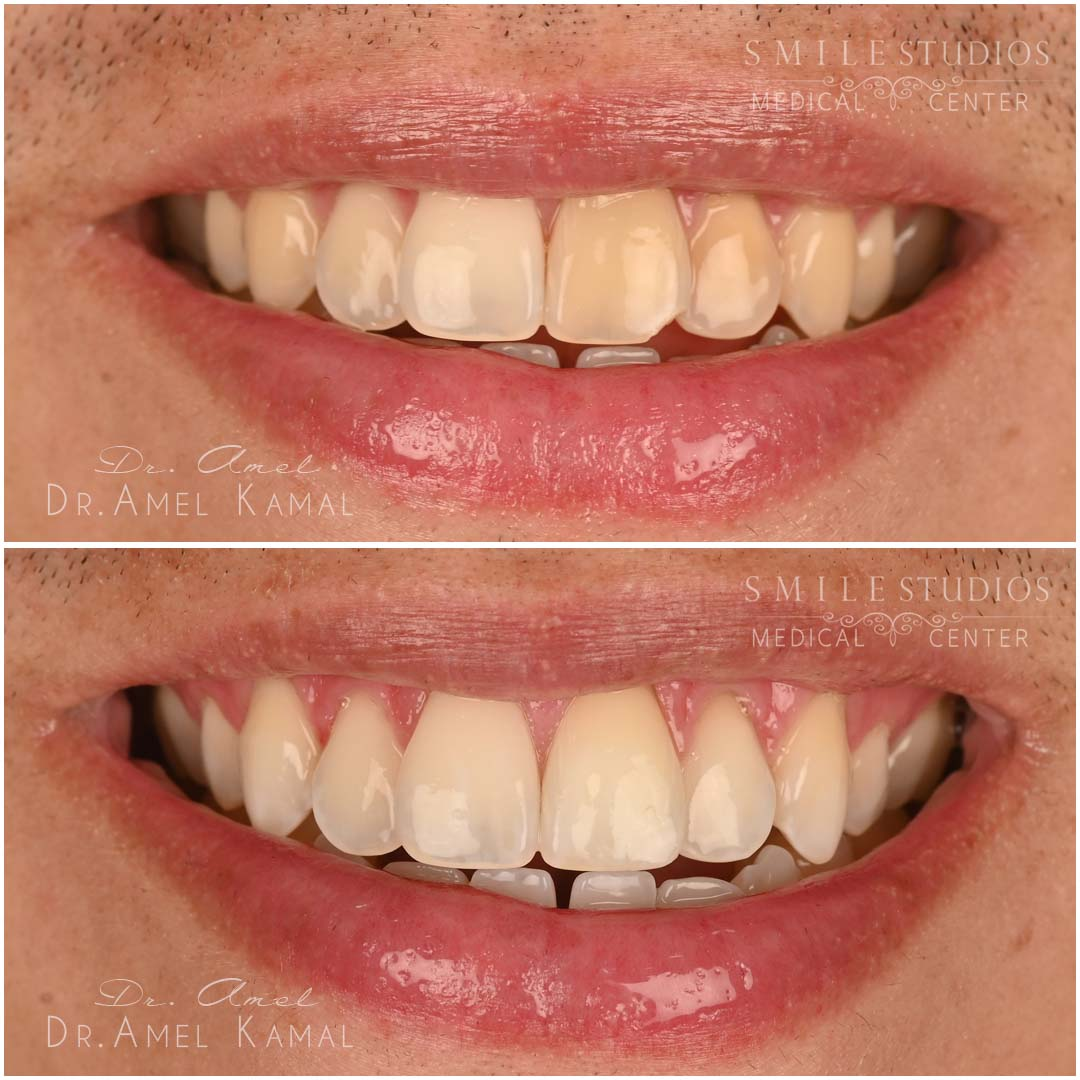
Have you noticed that one tooth looks darker than the rest of your smile? It may appear grey, yellow, brown, or noticeably darker than the surrounding teeth. A single discoloured tooth can be concerning, especially when the rest of your teeth look normal. In some cases, the colour change is purely cosmetic, but it can …


Have you noticed that one tooth looks darker than the rest of your smile? It may appear grey, yellow, brown, or noticeably darker than the surrounding teeth.
A single discoloured tooth can be concerning, especially when the rest of your teeth look normal. In some cases, the colour change is purely cosmetic, but it can also indicate a problem inside the tooth.
Understanding the cause is the first step toward choosing the right treatment.
What Can Cause a Single Tooth to Darken?
Tooth Trauma or Previous Injury
An injury to a tooth can affect the blood vessels and nerve inside it. Even when the accident happened years ago, the tooth may gradually change colour.
This is particularly common with front teeth following falls, sports injuries, accidents, or other trauma.
A traumatised tooth may eventually appear grey, yellow, brown, or darker than the surrounding teeth.
A Previous Root Canal Treatment
A tooth that has undergone root canal treatment can sometimes become darker over time.
Changes within the tooth structure, as well as remnants of blood or tissue within the tooth, can contribute to internal discolouration.
Importantly, a darker root-filled tooth does not automatically mean that the root canal treatment has failed. The tooth should still be evaluated to rule out any underlying infection or other problems.
Damage or Infection of the Dental Nerve
A darkening tooth can sometimes indicate that the nerve or pulp inside the tooth has been damaged or has become infected.
Possible warning signs include:
- Dark or grey discoloration
- Pain or sensitivity
- Pain when biting
- Swelling around the tooth
- A recurring pimple or abscess on the gum
However, some teeth can lose their vitality without causing noticeable pain. This is why an unexplained colour change should not simply be ignored.
Internal Discolouration
Some stains develop inside the tooth rather than on its outer surface.
Unlike external stains caused by coffee, tea, smoking, or certain foods, internal discoloration usually cannot be removed through routine cleaning or conventional whitening alone.
Depending on the condition of the tooth, internal bleaching or non-vital tooth whitening may be an option.
Old Fillings or Dental Restorations
Sometimes the tooth itself is healthy, but an old filling or restoration affects its appearance.
Certain dental materials can darken or change colour over time. Replacing an old restoration with a more aesthetic material may improve the appearance of the tooth.
Natural Differences in Tooth Colour
Not every darker tooth indicates a dental problem.
Natural teeth are not perfectly identical in colour. Differences in enamel thickness, tooth shape, position, and light reflection can make one tooth appear slightly darker than another.
A dental examination can help determine whether the difference is simply natural or requires treatment.
Can a Dark Tooth Be Whitened?
In many cases, a discoloured tooth can be lightened, but the appropriate treatment depends on the underlying cause.
If the discolouration is mainly external, professional teeth whitening may help.
For a tooth that has become dark following root canal treatment, internal tooth whitening may be considered when appropriate.
If the colour change is severe or whitening does not provide the desired result, cosmetic treatments such as:
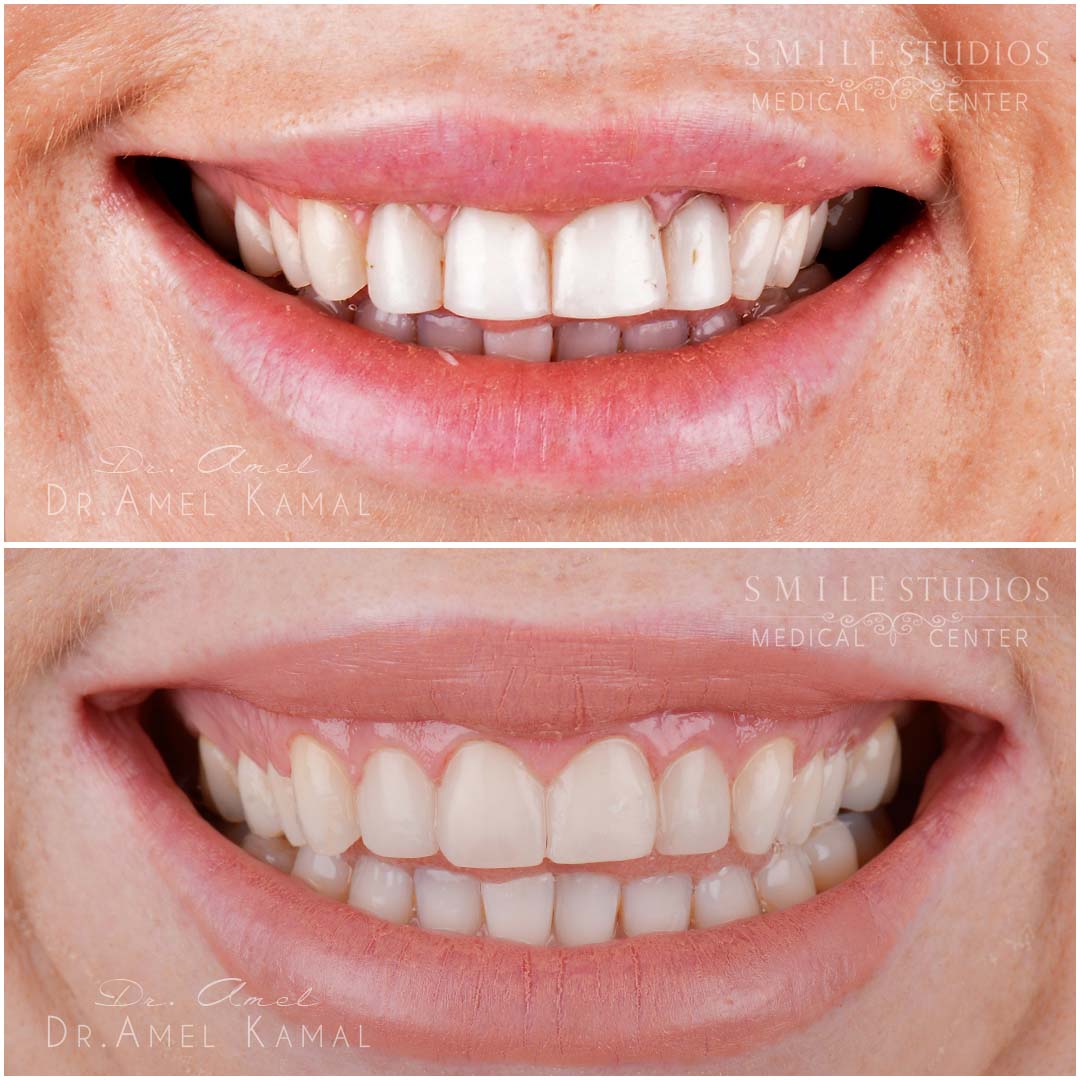
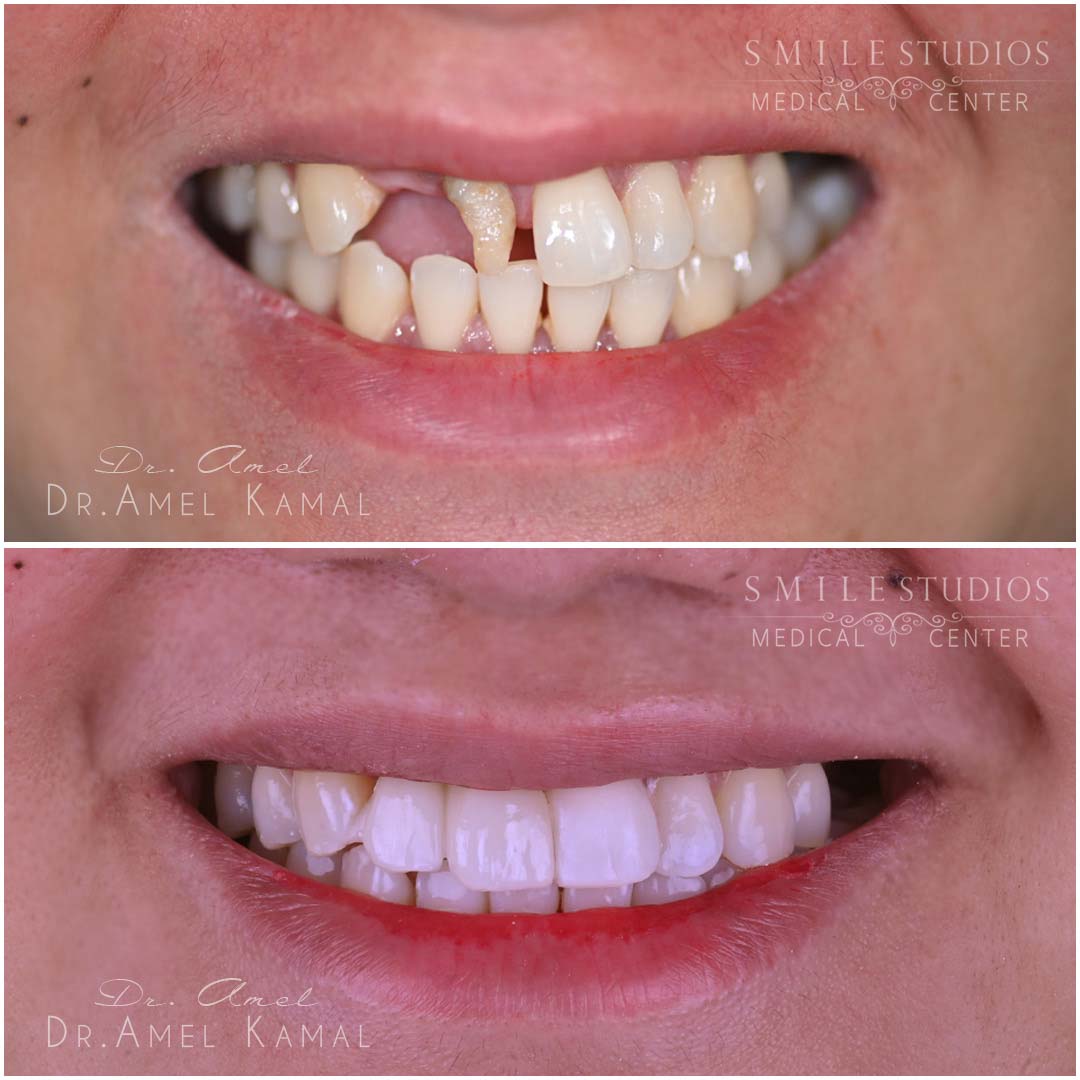
- Composite bonding
- Porcelain veneers
- Ceramic restorations
- Crowns
may be considered.
The best approach is usually to preserve as much healthy natural tooth structure as possible while achieving a natural-looking result.
Does a Dark Tooth Mean You Need Root Canal Treatment?
Not necessarily.
A darker tooth alone does not mean that root canal treatment is required.
However, if the colour change is related to trauma, nerve damage, or infection, your dentist may recommend further investigation.
Depending on the situation, assessment may include:
- Clinical examination
- Pulp vitality testing
- Periapical dental X-rays
- CBCT 3D imaging when clinically indicated
These investigations help determine whether the tooth is healthy, whether endodontic treatment is required, and which cosmetic options may be appropriate.
When Should You Have a Dark Tooth Checked?
If you notice that one tooth has recently changed colour, it is worth having it examined—especially if you have experienced previous trauma or have symptoms such as pain, sensitivity, swelling, or discomfort when biting.
Even without pain, a significant colour change can sometimes be the first indication of an underlying problem.
A Dark Tooth Doesn’t Always Mean Something Is Wrong
There are many reasons why one tooth may look darker than the others. It could be related to previous trauma, root canal treatment, internal staining, an old restoration, or simply a natural variation in tooth colour.
The key is to identify the cause before deciding on treatment.
With the correct diagnosis, your dentist can determine whether the tooth needs endodontic treatment, cosmetic whitening, restoration, or simply monitoring.
If one tooth is noticeably darker than the rest of your smile, a professional dental assessment can help you understand why—and find the most conservative way to restore a healthy, balanced, and natural-looking smile.
Book Now
It’s easy and free!