When a tooth becomes severely damaged, infected, or painful, one of the most common questions patients ask is: Should I have a root canal or extract the tooth? The answer depends on the condition of the tooth and whether it can be successfully restored. In many situations, saving your natural tooth with root canal treatment …


When a tooth becomes severely damaged, infected, or painful, one of the most common questions patients ask is: Should I have a root canal or extract the tooth?
The answer depends on the condition of the tooth and whether it can be successfully restored. In many situations, saving your natural tooth with root canal treatment is the preferred option when a predictable long-term result can be achieved. However, extraction may be necessary when the tooth is too damaged or has a poor prognosis.
What Is Root Canal Treatment?
A root canal is a tooth-saving procedure used to treat infection or inflammation inside a tooth.
During treatment, the infected pulp is removed, the root canals are thoroughly cleaned and disinfected, and the canals are sealed to prevent further infection. The tooth is then restored to protect it and allow you to use it normally again.
With modern endodontic techniques, including microscopic root canal treatment, CBCT 3D imaging, advanced irrigation and precision instrumentation, even complex cases can often be treated successfully.
What Does Tooth Extraction Involve?
Tooth extraction means removing the damaged or infected tooth completely.
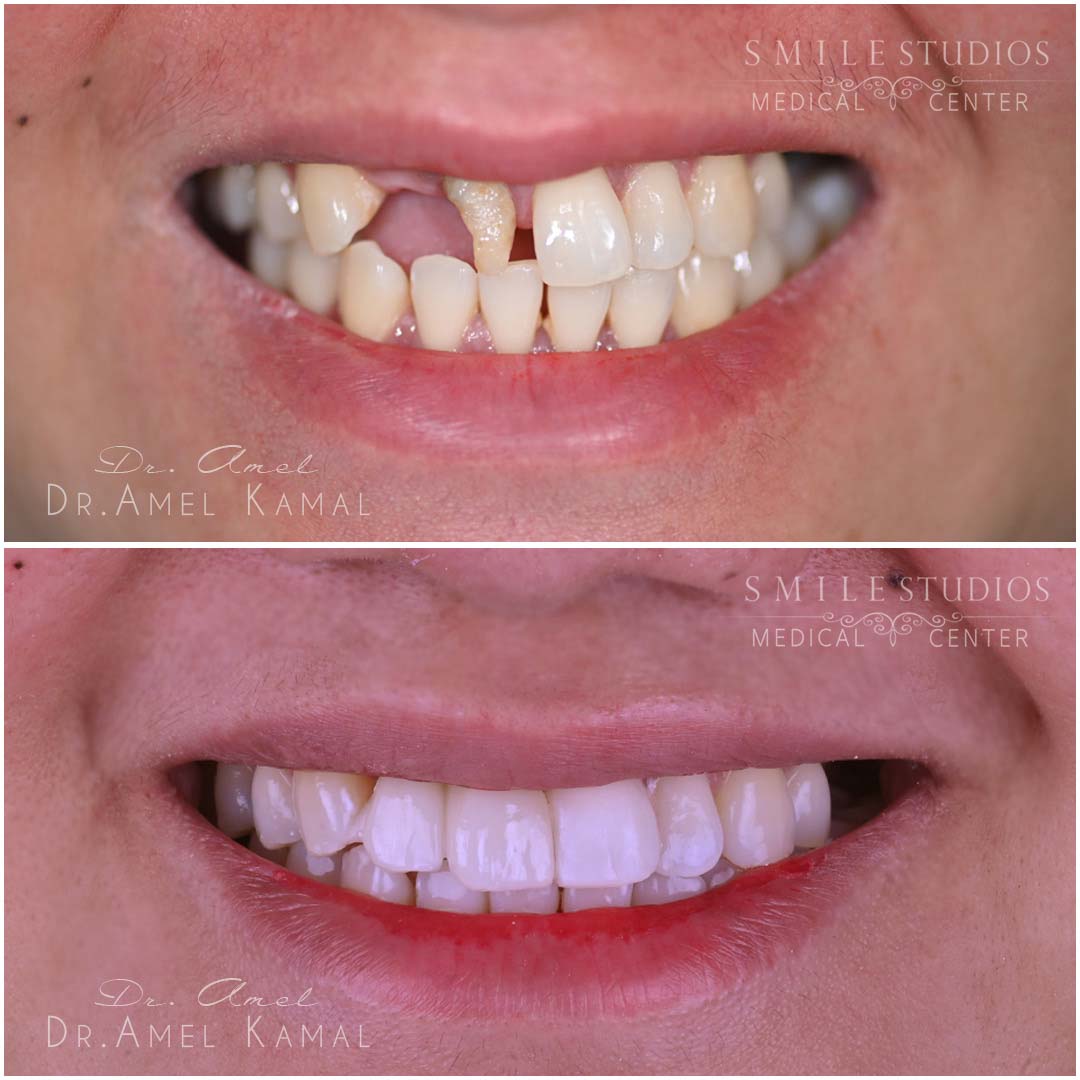
Although extraction can eliminate a problematic tooth, it also leaves a space that may need to be replaced. Depending on your individual case, your dentist may recommend a dental implant, bridge, or removable denture.
Replacing a missing tooth can help restore chewing function, appearance and the balance of your bite.
Root Canal vs. Extraction: What Is the Difference?
The main difference is simple: root canal treatment aims to save your natural tooth, while extraction removes it.
Root Canal Treatment
- Preserves your natural tooth.
- Maintains normal chewing function.
- Helps maintain the natural relationship between neighboring teeth.
- Avoids the immediate need for tooth replacement.
- May allow you to keep the tooth for many years with proper care.
Tooth Extraction
- Removes a tooth that cannot be predictably saved.
- May be the best option for a severely fractured or non-restorable tooth.
- Creates a space that may require replacement.
- May eventually require an implant, bridge or denture.
- Can be appropriate when the tooth has a hopeless long-term prognosis.
When Is a Root Canal the Better Choice?
Root canal treatment may be recommended when the tooth:
- Has an infected or inflamed pulp.
- Has sufficient healthy tooth structure remaining.
- Can be properly restored after treatment.
- Has roots that can be adequately treated.
- Does not have a severe vertical root fracture.
- Has a reasonable long-term prognosis.
Even a tooth that has already undergone root canal treatment may sometimes be saved with root canal retreatment, depending on the reason the original treatment failed.
When Is Extraction Necessary?
Extraction may be recommended when saving the tooth is no longer predictable.
Examples include:
- A severe vertical root fracture.
- Extensive decay that extends beyond the level where the tooth can be restored.
- Severe loss of supporting bone with a poor periodontal prognosis.
- Insufficient remaining tooth structure.
- A tooth that cannot be adequately restored.
- Persistent disease that cannot be predictably managed with retreatment or other endodontic procedures.
Is a Root Canal More Painful Than an Extraction?
Many patients are surprised to learn that modern root canal treatment is generally performed comfortably under local anesthesia.
The purpose of root canal treatment is to remove the infected tissue responsible for the pain and infection. Once the tooth is properly treated and restored, symptoms can often improve significantly.
Extraction is also performed under local anesthesia, but removing the tooth does not always complete the treatment. If the missing tooth needs to be replaced, additional treatment may be required.
Why Is Saving Your Natural Tooth Important?
Whenever possible, preserving your natural tooth has important advantages.
Your natural teeth are designed to work together during chewing and biting. Keeping a tooth can help maintain your natural bite and avoid the complications associated with tooth loss.
However, saving a tooth at all costs is not always the right approach. A tooth with a hopeless prognosis may be better removed and replaced with an appropriate restorative option.
How Do You Know If Your Tooth Can Be Saved?
The decision between root canal treatment and extraction should be based on a thorough assessment rather than pain alone.
Your dentist or endodontist may evaluate:
- Your symptoms and clinical examination.
- The amount of remaining tooth structure.
- The condition of existing fillings or crowns.
- The health of the surrounding gums and bone.
- Conventional dental X-rays.
- CBCT 3D imaging when clinically indicated.
- The presence of cracks or fractures.
- Whether the tooth can be predictably restored after treatment.
For complicated cases, microscopic endodontics and CBCT imaging can provide valuable information when determining whether a tooth is treatable.
So, Which Is Better: Root Canal or Extraction?
There is no single answer for every patient.
If the tooth is restorable and has a reasonable long-term prognosis, preserving the natural tooth with root canal treatment is often the preferred option.
If the tooth is fractured, severely damaged, or cannot be predictably restored, extraction followed by an appropriate tooth replacement may be the better solution.
The goal should not simply be to remove pain. The goal is to choose the treatment that gives the patient the best long-term oral health, function and comfort.
Frequently Asked Questions
Can a tooth always be saved with a root canal?
No. Some teeth have damage or fractures that make successful treatment impossible. A professional assessment is necessary to determine whether the tooth is restorable.
Is extraction better than root canal treatment?
Not necessarily. If a natural tooth can be predictably treated and restored, preserving it is often preferable. Extraction is generally considered when the tooth cannot be reliably saved.
Is a root canal more expensive than an extraction?
The initial cost may be higher, but the overall treatment cost should also consider the future replacement of an extracted tooth with an implant, bridge or denture.
Can a tooth with a failed root canal be saved?
In selected cases, yes. Root canal retreatment or other endodontic procedures may provide an opportunity to preserve the tooth.
What should I do if I have been told my tooth needs extraction?
If the tooth appears potentially restorable, consider asking for an assessment by an experienced dentist or endodontist before extraction. Once a natural tooth is removed, it cannot be put back.
Book Now
It’s easy and free!