If you are thinking about improving your smile, dental veneers are one of the most popular cosmetic dentistry treatments available. But when you start researching veneers, you will usually come across two main choices: porcelain veneers and composite veneers. Although both can improve the appearance of your teeth, they differ in their material, appearance, durability, …


If you are thinking about improving your smile, dental veneers are one of the most popular cosmetic dentistry treatments available. But when you start researching veneers, you will usually come across two main choices: porcelain veneers and composite veneers.
Although both can improve the appearance of your teeth, they differ in their material, appearance, durability, treatment process, maintenance, and cost.
Understanding these differences can help you make a more informed decision about which option may be suitable for your smile.
What Are Dental Veneers?
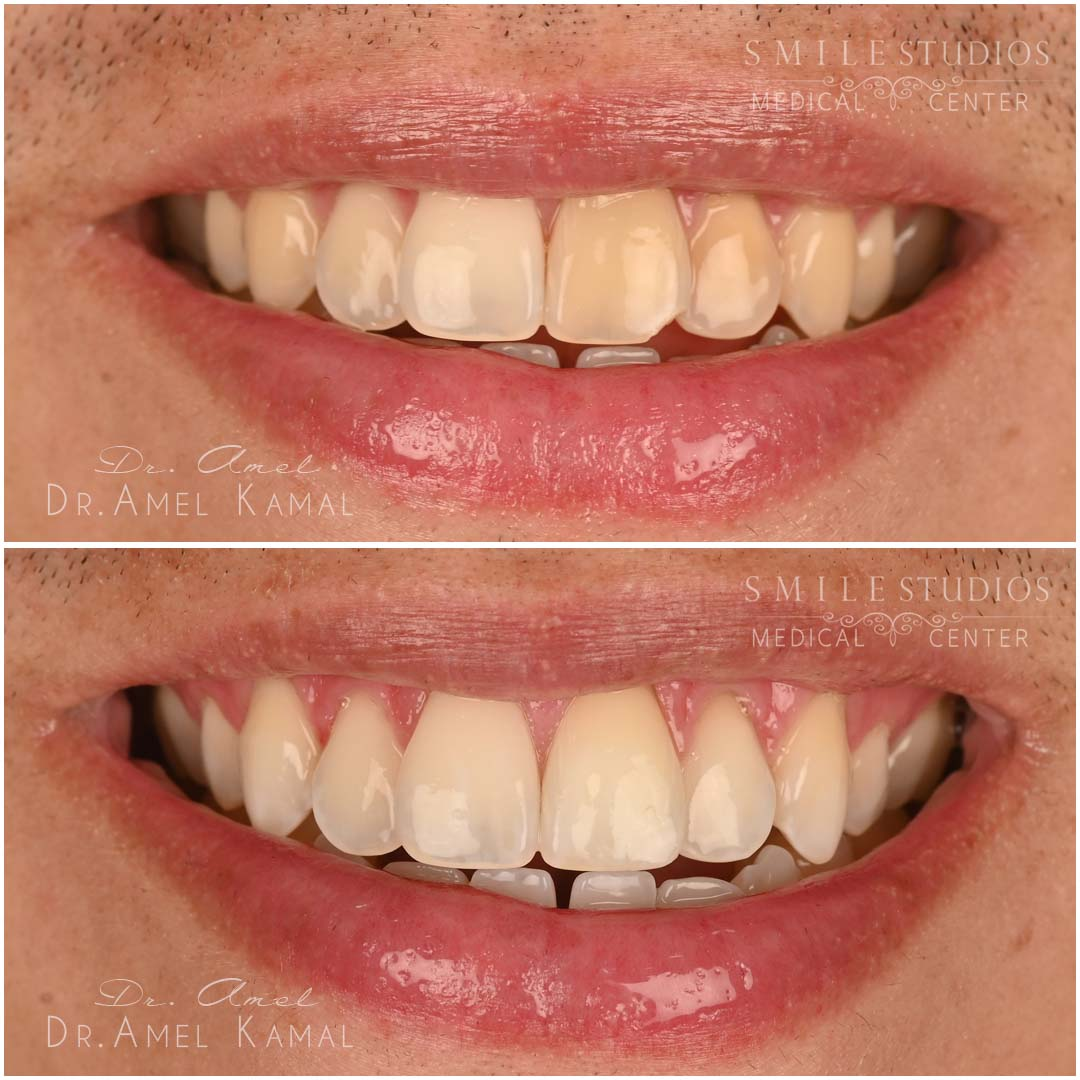
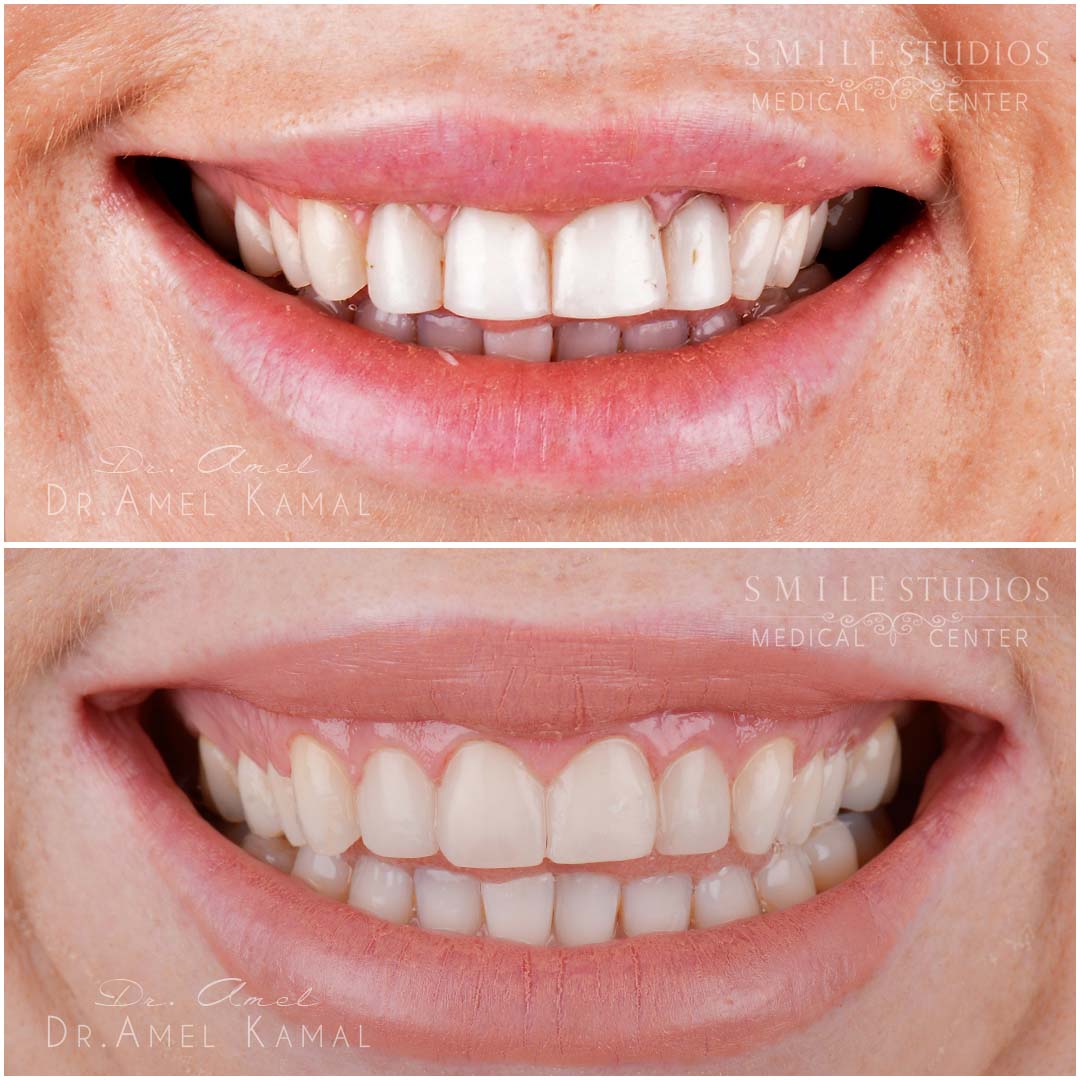
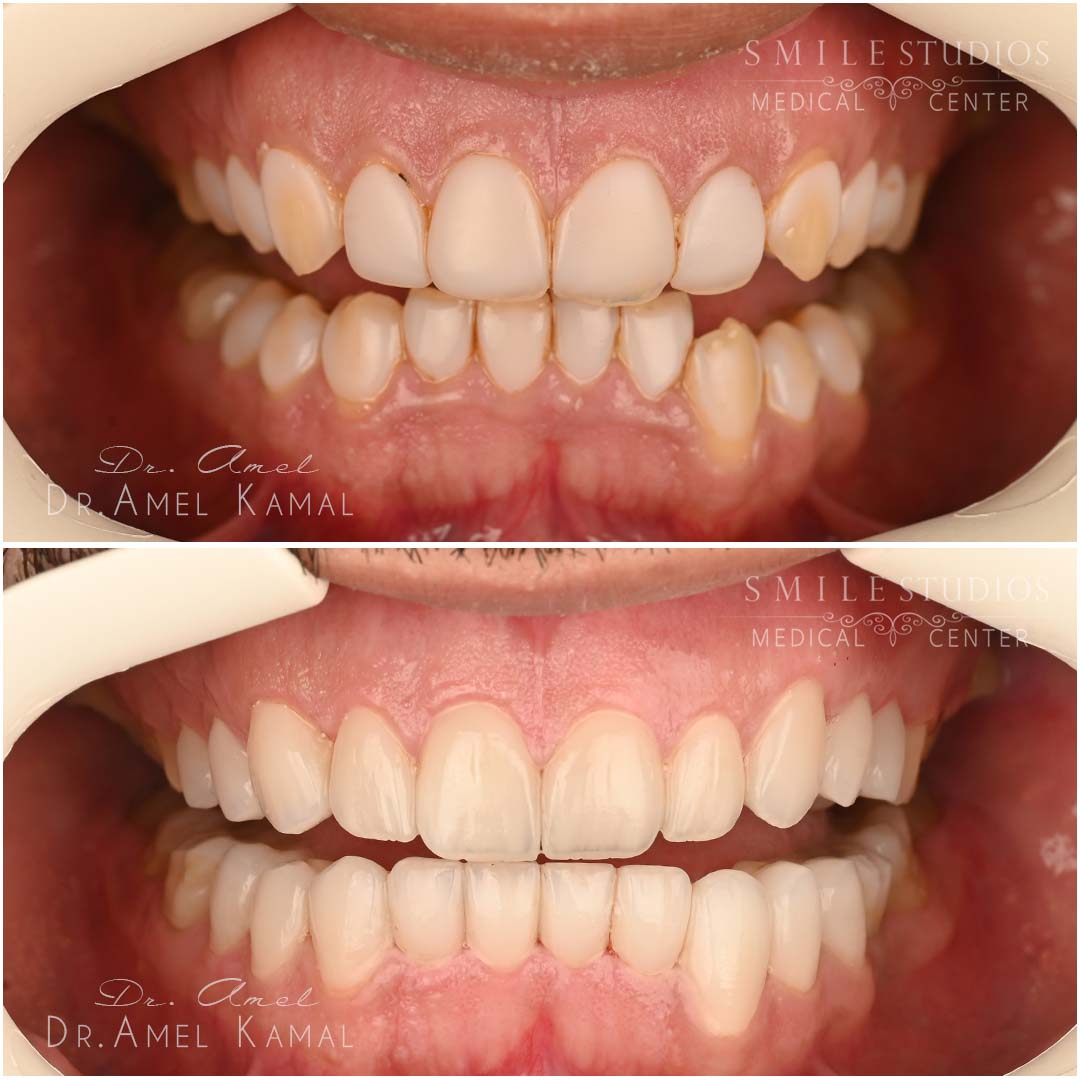
Dental veneers are thin tooth-coloured restorations designed to cover the visible surface of a tooth. They can be used to improve the shape, colour, proportions, and overall appearance of teeth.
Veneers may be considered for concerns such as:
- Discoloured or deeply stained teeth
- Chipped or worn teeth
- Small gaps between teeth
- Uneven tooth shapes
- Teeth that appear too short or small
- Mild irregularities
- Certain cases of tooth wear
- Improving overall smile symmetry
The two most commonly used types are porcelain veneers and composite veneers.
What Are Porcelain Veneers?
Porcelain veneers are thin ceramic restorations that are individually designed for your teeth. They are usually fabricated in a dental laboratory before being carefully bonded to the tooth.
One of their biggest advantages is their ability to reproduce many of the optical characteristics of natural enamel. This can create a highly realistic and refined smile.
Benefits of Porcelain Veneers
Natural-looking aesthetics
High-quality porcelain can provide excellent translucency, depth, texture, and colour, helping the veneers blend naturally with the surrounding teeth.
Excellent resistance to staining
Porcelain is highly resistant to external staining, which can help maintain the appearance of your smile over time.
Long-term durability
When properly planned, bonded, and maintained, porcelain veneers can provide a durable long-term cosmetic solution.
Individualised smile design
Porcelain veneers can be customised according to your facial features, tooth proportions, smile line, and aesthetic preferences.
What Are Composite Veneers?
Composite veneers are created using a tooth-coloured composite resin that is applied directly to the teeth by the dentist.
The material is carefully shaped and sculpted before being hardened and polished. Because the restoration is created directly in the dental chair, treatment can often be completed more quickly than porcelain veneers.
Benefits of Composite Veneers
More affordable
Composite veneers are generally less expensive than porcelain veneers, making them an accessible option for patients seeking cosmetic dental improvements.
Conservative approach
In suitable cases, composite resin can be added to the tooth with little or no removal of healthy enamel.
Faster treatment
Depending on the number of teeth involved and the complexity of the case, composite veneers can often be completed in one or a small number of appointments.
Simple repairs
If composite becomes chipped or damaged, it can often be repaired directly rather than replacing the entire restoration.
Porcelain vs Composite Veneers: What Is the Difference?
| Feature | Porcelain Veneers | Composite Veneers |
| Material | Ceramic | Composite resin |
| Aesthetic appearance | Highly natural and translucent | Natural-looking with good cosmetic results |
| Stain resistance | Very high | More prone to staining |
| Durability | Generally higher | Generally lower |
| Treatment time | Usually requires more than one stage | Often quicker |
| Repairs | More involved | Usually easier |
| Cost | Generally higher | Generally more affordable |
| Tooth preparation | May require minimal preparation | Often highly conservative |
| Maintenance | Generally lower over time | May require more polishing or maintenance |
Which Type of Veneer Looks More Natural?
Both porcelain and composite can create attractive, natural-looking results when they are carefully planned and expertly performed.
However, porcelain has optical properties that can closely resemble natural tooth enamel. It can reproduce subtle variations in translucency, light reflection, and surface texture, making it particularly popular for high-end cosmetic smile makeovers.
That said, the skill of the dentist and the quality of the smile design are just as important as the material itself.
Shade selection, tooth proportions, preparation, bonding, finishing, and the relationship between the teeth and the face all influence the final result.
Which Type of Veneer Is More Durable?
Porcelain veneers generally offer greater long-term durability and resistance to staining compared with composite veneers.
However, the lifespan of any veneer depends on several factors, including:
- Your bite and tooth alignment
- Teeth grinding or clenching
- Oral hygiene
- Dietary and lifestyle habits
- The condition of the underlying tooth
- The quality of bonding and placement
- Regular dental check-ups and maintenance
Patients who grind or clench their teeth may benefit from wearing a protective night guard.
Are Composite Veneers More Conservative?
In many cases, yes.
Composite bonding can allow the dentist to modify tooth shape and proportions while preserving a significant amount of natural tooth structure.
However, a conservative treatment does not necessarily mean that it is suitable for every patient.
Adding composite material can influence tooth proportions, the bite, gum contours, and oral hygiene. A detailed dental assessment is therefore important before treatment.
Which Is Better: Porcelain or Composite?
There is no single answer that applies to every patient.
Porcelain veneers may be a good choice if you are looking for:
- Long-lasting cosmetic results
- Excellent stain resistance
- Highly refined aesthetics
- Stable colour over time
- A comprehensive smile makeover
Composite veneers may be suitable if you prefer:
- A more affordable treatment
- A quicker cosmetic improvement
- A conservative approach
- Easier future repairs
- The ability to modify or repair the material relatively easily
The decision should be based on your individual dental condition, aesthetic expectations, bite, tooth structure, and long-term goals.
Can Veneers Change the Shape of Your Smile?
Yes. Veneers are not limited to changing tooth colour.
When carefully planned, they can improve:
- Tooth length
- Tooth width and proportions
- Tooth shape
- Small spaces between teeth
- Minor asymmetries
- Chipped edges
- Certain forms of tooth wear
- Overall smile balance
However, veneers are not appropriate for every dental concern. Significant crowding, active decay, gum disease, cracks, or complex bite problems may require other treatments before cosmetic dentistry is considered.
How Should You Choose the Right Veneers?
Choosing veneers should be based on much more than simply selecting a shade of white.
A comprehensive smile assessment should evaluate:
Your facial features
The shape and proportions of your teeth should complement your face rather than look artificial or disproportionate.
Your smile line
Tooth length and the position of the incisal edges can significantly influence the appearance of your smile.
Your gums
Healthy and well-positioned gums are essential for predictable aesthetic results.
Your bite
The way your upper and lower teeth meet can affect the strength and longevity of veneers.
Existing dental work
Fillings, crowns, root canal-treated teeth, worn teeth, and heavily restored teeth may require an individualised treatment plan.
Your personal goals
Some patients want a subtle enhancement, while others are looking for a complete smile transformation.
Porcelain or Composite Veneers: Which One Is Right for You?
Both porcelain and composite veneers can create significant improvements in the appearance of your smile, but they offer different advantages.
Porcelain veneers are often preferred when patients prioritise premium aesthetics, stain resistance, and long-term durability.
Composite veneers can be an excellent alternative for patients looking for a more conservative, affordable, and faster cosmetic solution.
Ultimately, the best veneer treatment is not necessarily the most expensive one. It is the treatment that provides the right balance of aesthetics, function, durability, tooth preservation, and long-term oral health.
Before choosing veneers, an individual consultation with an experienced cosmetic and restorative dentist can help you understand which option is appropriate for your teeth and your smile goals.
Book Now
It’s easy and free!