Are you experiencing tooth pain, sensitivity, or swelling and wondering, “Do I need a root canal?” These symptoms can sometimes indicate an inflamed or infected tooth that may require root canal treatment. Root canal treatment is a common dental procedure used to treat infection or irreversible inflammation inside a tooth while helping you save your …


Are you experiencing tooth pain, sensitivity, or swelling and wondering, “Do I need a root canal?” These symptoms can sometimes indicate an inflamed or infected tooth that may require root canal treatment.
Root canal treatment is a common dental procedure used to treat infection or irreversible inflammation inside a tooth while helping you save your natural tooth.
If you are searching for root canal treatment in Bahrain, understanding the warning signs can help you know when it is time to see a dentist or endodontist.
What Is Root Canal Treatment?
Inside every tooth is a soft tissue called the dental pulp, which contains nerves and blood vessels. Deep decay, cracks, trauma, or repeated dental treatment can damage this tissue.
When the pulp becomes irreversibly inflamed or infected, root canal treatment may be recommended.
During a root canal, the damaged tissue is removed, the root canal system is carefully cleaned and disinfected, and the canals are sealed. The tooth is then restored to help return it to normal function.
The goal is simple: treat the infection while preserving your natural tooth whenever possible.
7 Signs You May Need a Root Canal
1. Persistent or Severe Tooth Pain
One of the most common signs you may need a root canal is tooth pain that continues, returns frequently, or occurs without an obvious reason.
You may experience:
- Persistent toothache
- Throbbing pain
- Pain that becomes worse at night
- Spontaneous pain
- Pain that is difficult to locate
- Pain that interferes with sleeping or daily activities
Persistent dental pain should not simply be masked with painkillers. The underlying cause needs to be diagnosed.
2. Prolonged Sensitivity to Hot or Cold
Does your tooth hurt when you drink hot coffee or something cold?
Short-lived sensitivity does not necessarily mean you need a root canal. However, intense sensitivity that lingers after the hot or cold stimulus has been removed can be a warning sign of significant pulp inflammation.
If the sensitivity is becoming stronger, lasting longer, or occurring spontaneously, a dental examination is recommended.
3. Pain When Biting or Chewing
Pain when biting down on a particular tooth can indicate inflammation or infection around the tooth.
However, biting pain can also be associated with:
- A cracked tooth
- Deep dental decay
- A defective filling or crown
- Trauma
- Inflammation around the root
A dentist or endodontist in Bahrain can perform specific clinical tests to determine the source of the pain.
4. Swelling or a Pimple on the Gum
A swollen area or small pimple-like bump on the gum may be a sign of a dental infection or abscess.
Sometimes an infected tooth causes severe pain. In other cases, an infection can drain through the gum and cause surprisingly little discomfort.
This means that a painless tooth does not always mean a healthy tooth.
If you notice a recurring gum pimple, swelling, or drainage near a tooth, arrange a dental examination.
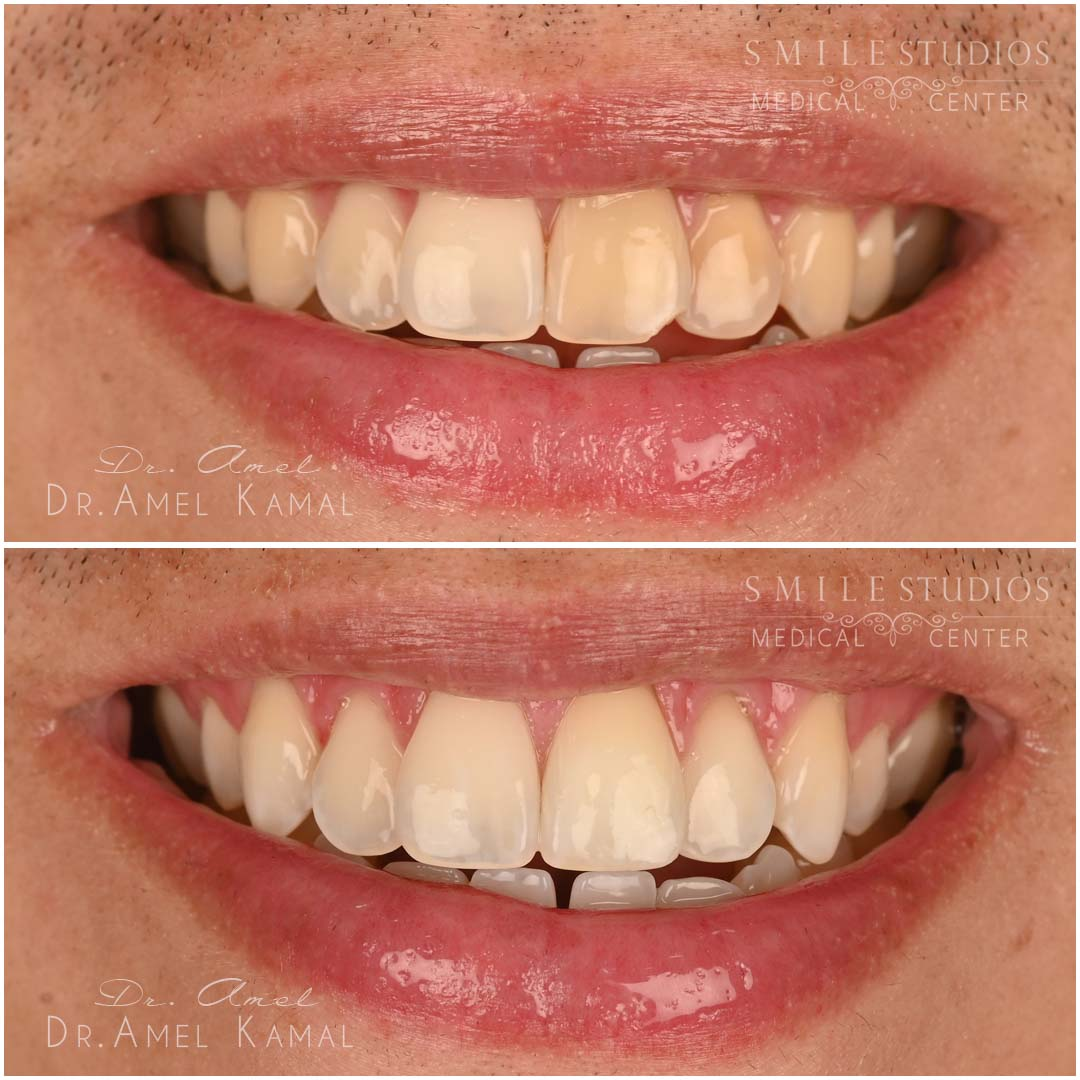
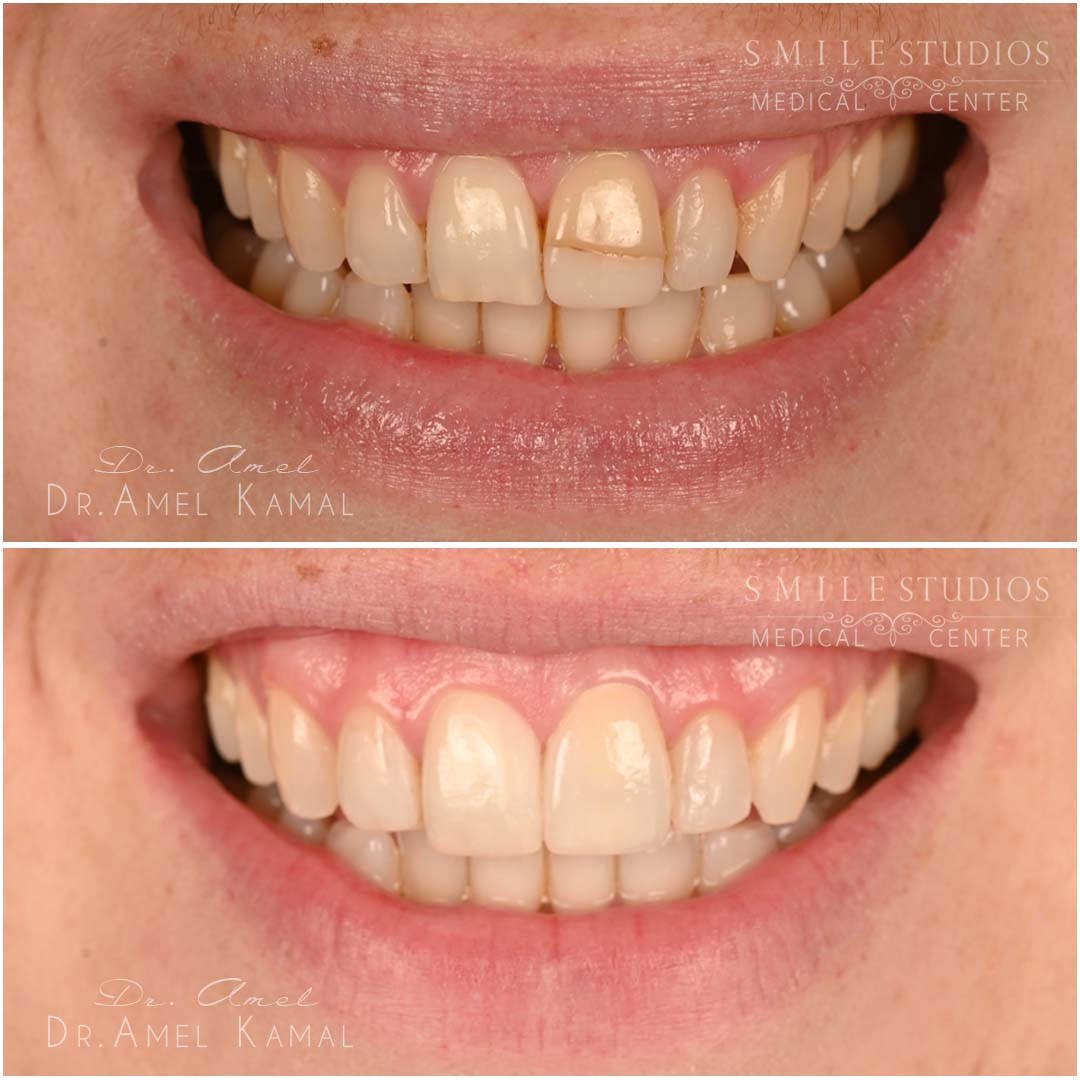
5. A Dark or Discoloured Tooth
Have you noticed that one tooth has become darker or grey compared with the teeth next to it?
A change in tooth colour can sometimes occur after:
- Dental trauma
- Deep decay
- Previous dental treatment
- Damage or death of the dental pulp
Discoloration does not automatically mean that you need root canal treatment. However, it is important to have the tooth assessed to determine whether the pulp is still healthy.
6. Deep Decay or a Large Filling
Not every tooth that needs a root canal causes pain.
A cavity that has progressed deep into the tooth can affect the pulp. Similarly, a tooth that has undergone extensive or repeated dental procedures may eventually develop pulp inflammation.
In some cases, the nerve can become severely damaged or die without producing obvious symptoms.
This is why regular dental check-ups in Bahrain are important — your dentist may identify a problem before you develop severe pain.
7. Problems With a Previous Root Canal
Have you had a root canal in the past but are now experiencing pain or swelling around the same tooth?
A previously root-treated tooth can occasionally develop persistent or recurrent infection.
Possible signs include:
- Pain or tenderness
- Pain when biting
- Gum swelling
- A recurring gum pimple
- Infection around the root visible on an X-ray or CBCT scan
Depending on the reason for treatment failure and the condition of the tooth, root canal retreatment may be an option for saving the tooth.
Does Tooth Pain Always Mean You Need a Root Canal?
No.
Tooth pain can have many different causes, including:
- Tooth decay
- Cracked teeth
- Gum recession
- Tooth wear
- Dental trauma
- Defective fillings
- Gum disease
- Pulp inflammation
- Infection around the root
This is why a correct diagnosis is essential before starting root canal treatment.
Your dentist or endodontist may assess your symptoms, examine the tooth, perform pulp and bite tests, and take dental X-rays.
In more complex cases, CBCT imaging may provide additional information about the root canals, surrounding bone, infection, cracks, or anatomy that may not be visible on conventional dental X-rays.
Can Root Canal Treatment Save Your Natural Tooth?
In many cases, yes.
The purpose of root canal treatment is to remove infected or irreversibly inflamed tissue from inside the tooth, disinfect the root canal system, and seal it to prevent further bacterial contamination.
The tooth can then be restored to provide strength, function, and long-term protection.
When a tooth can be predictably treated, preserving your natural tooth is often preferable to extraction.
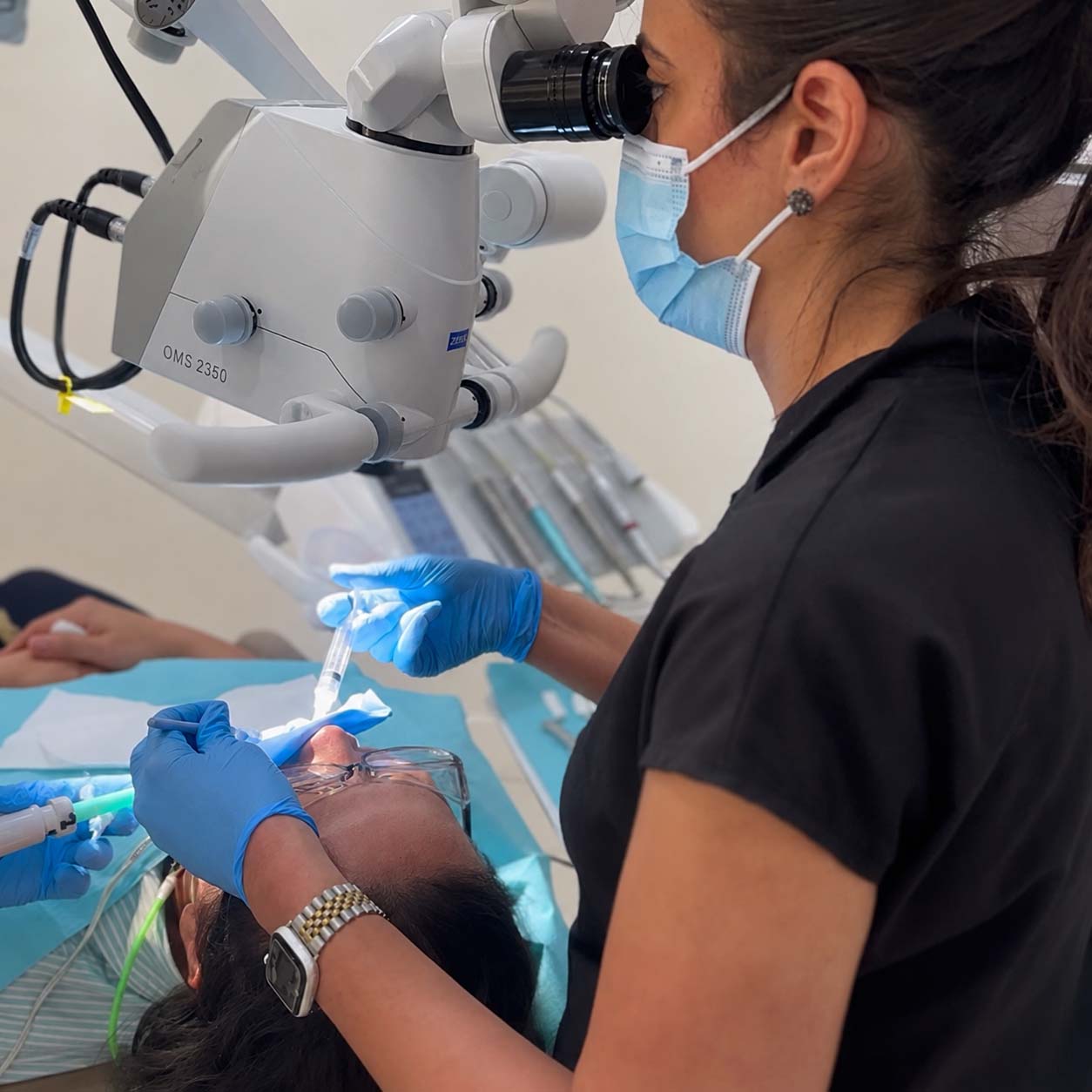
Modern endodontics, magnification, advanced imaging, and meticulous treatment techniques can improve the ability to diagnose and manage complex root canal cases.
What Happens If an Infected Tooth Is Left Untreated?
An infected tooth does not necessarily improve on its own.
Without appropriate treatment, infection can progress beyond the tooth and cause:
- Increasing pain
- Swelling
- A dental abscess
- Bone loss around the root
- Recurring infection
- Further damage to the tooth
In some cases, delaying treatment may make saving the tooth more complicated.
If you suspect that you have an infected tooth, it is better to have it assessed rather than waiting for the pain to become severe.
When Should You See a Root Canal Specialist?
You should consider arranging an assessment if you experience:
Persistent toothache, prolonged sensitivity to hot or cold, pain when biting, swelling, a gum pimple, unexplained tooth discoloration, or symptoms affecting a previously root-treated tooth.
A specialist assessment can help determine whether you actually need a root canal or whether another treatment would be more appropriate.
Looking for Root Canal Treatment in Bahrain?
If you are searching for root canal treatment in Bahrain, choosing the right diagnosis and treatment approach is the first step toward saving your natural tooth.
At Dr Amel Kamal, complex endodontic and restorative cases can be assessed using modern diagnostic techniques and advanced imaging when clinically indicated.
Treatment may include root canal treatment, root canal retreatment, management of complex root canal anatomy, and restoration of root-treated teeth with a focus on preserving natural teeth whenever possible.
Don’t Wait Until the Pain Gets Worse
Tooth pain is your body’s way of telling you that something needs attention.
If you have persistent pain, sensitivity, swelling, or signs of an infected tooth, book a dental assessment to find out what is really happening inside your tooth.
Early diagnosis may give you a better opportunity to save your natural tooth and avoid extraction.
Frequently Asked Questions About Root Canal Treatment
How do I know if I need a root canal?
Common warning signs include persistent tooth pain, prolonged hot or cold sensitivity, pain when biting, swelling, a gum pimple, tooth discoloration, or an infection around a previously treated tooth. However, symptoms alone cannot confirm the diagnosis.
Is root canal treatment painful?
Modern dental techniques and local anesthesia make root canal treatment much more comfortable than many patients expect. The treatment is designed to eliminate the source of dental pain and infection.
Can I need a root canal without having pain?
Yes. Some teeth with significant pulp damage or infection cause little or no pain. Dental examinations and appropriate X-rays can identify problems that may otherwise go unnoticed.
How long does a root canal take?
Treatment time varies depending on the tooth, number and complexity of the canals, the presence of infection, and whether the procedure is a primary root canal or retreatment.
What is root canal retreatment?
Root canal retreatment is performed when a previously treated tooth develops persistent or recurrent disease and may still be suitable for saving. The existing root filling is carefully evaluated and, when appropriate, removed so the canal system can be cleaned, disinfected, and sealed again.
Is it better to save a natural tooth or extract it?
When a tooth can be predictably restored and maintained, preserving the natural tooth is often a preferred option. Your dentist or endodontist can assess the tooth and explain whether root canal treatment, retreatment, another procedure, or extraction is appropriate.
Suggested Call-to-Action
Experiencing tooth pain or sensitivity? Don’t wait until it becomes an emergency. Book a consultation with Dr Amel Kamal in Bahrain to find out whether your tooth needs root canal treatment — and whether it can be saved.
Book Now
It’s easy and free!