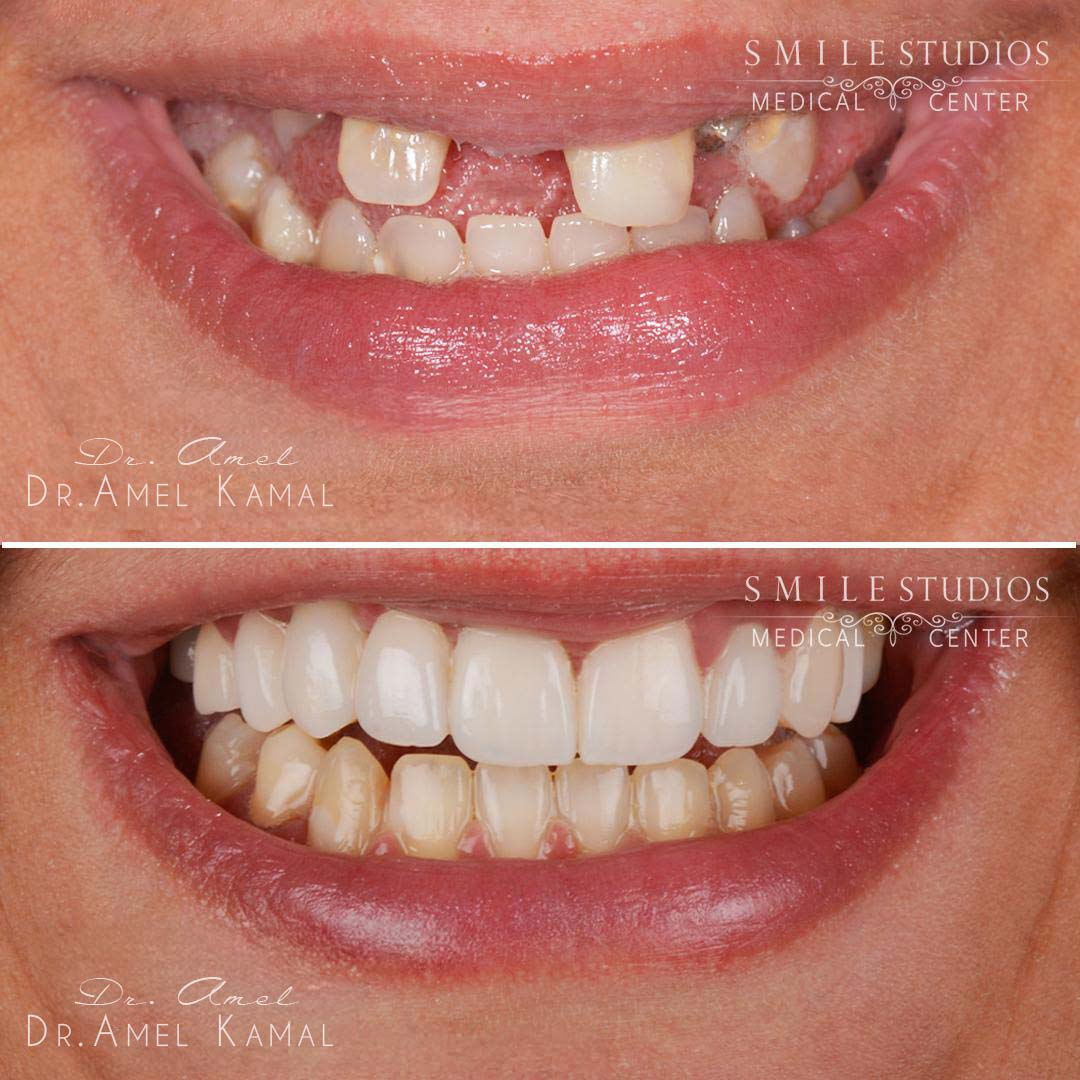
When people think about dental veneers, one of the first concerns they often have is: “Will my veneers look fake?” The answer is: well-designed veneers can look remarkably natural. In fact, the best veneers are often the ones that do not look like veneers at all. They should complement your facial features, smile, lips, skin …


When people think about dental veneers, one of the first concerns they often have is: “Will my veneers look fake?”
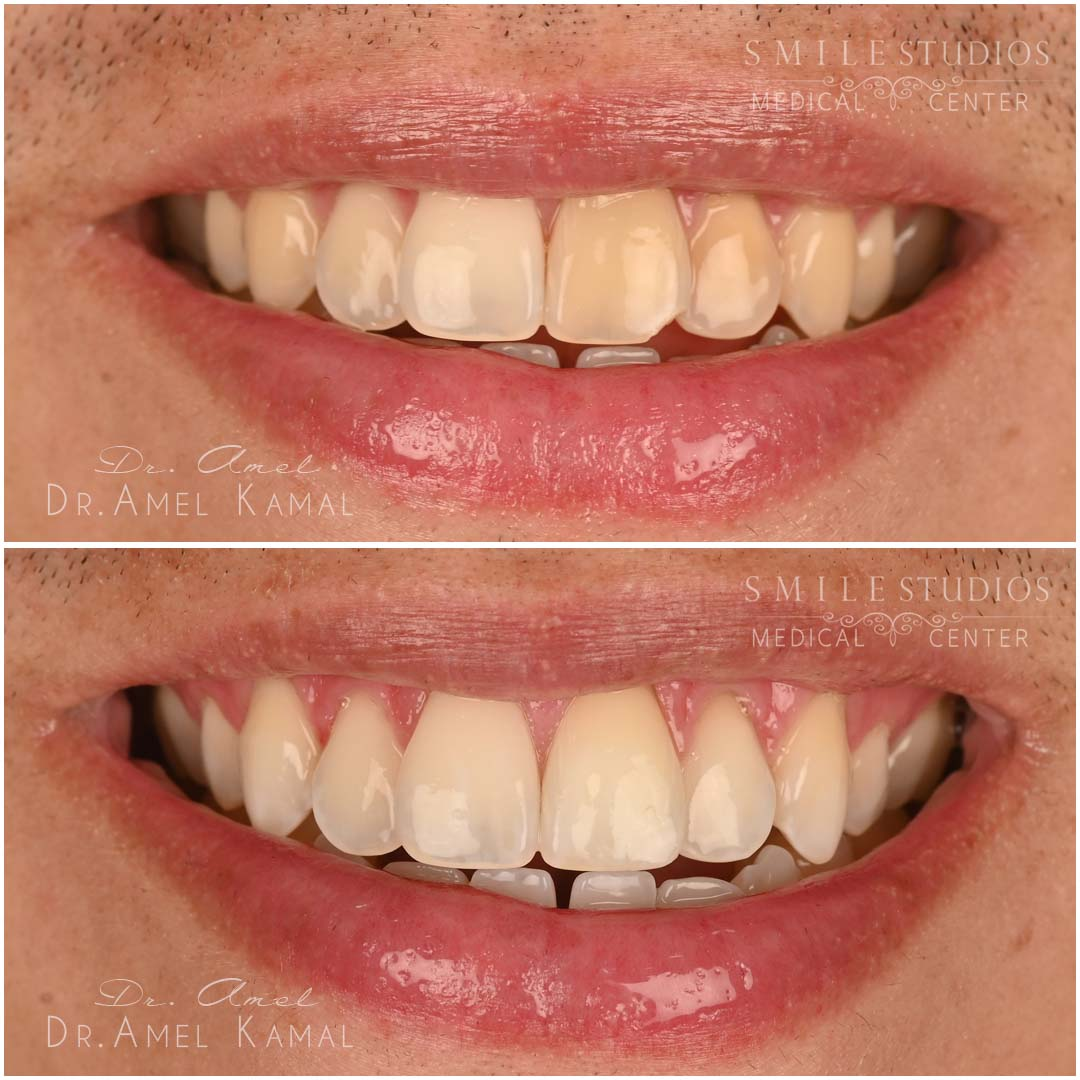
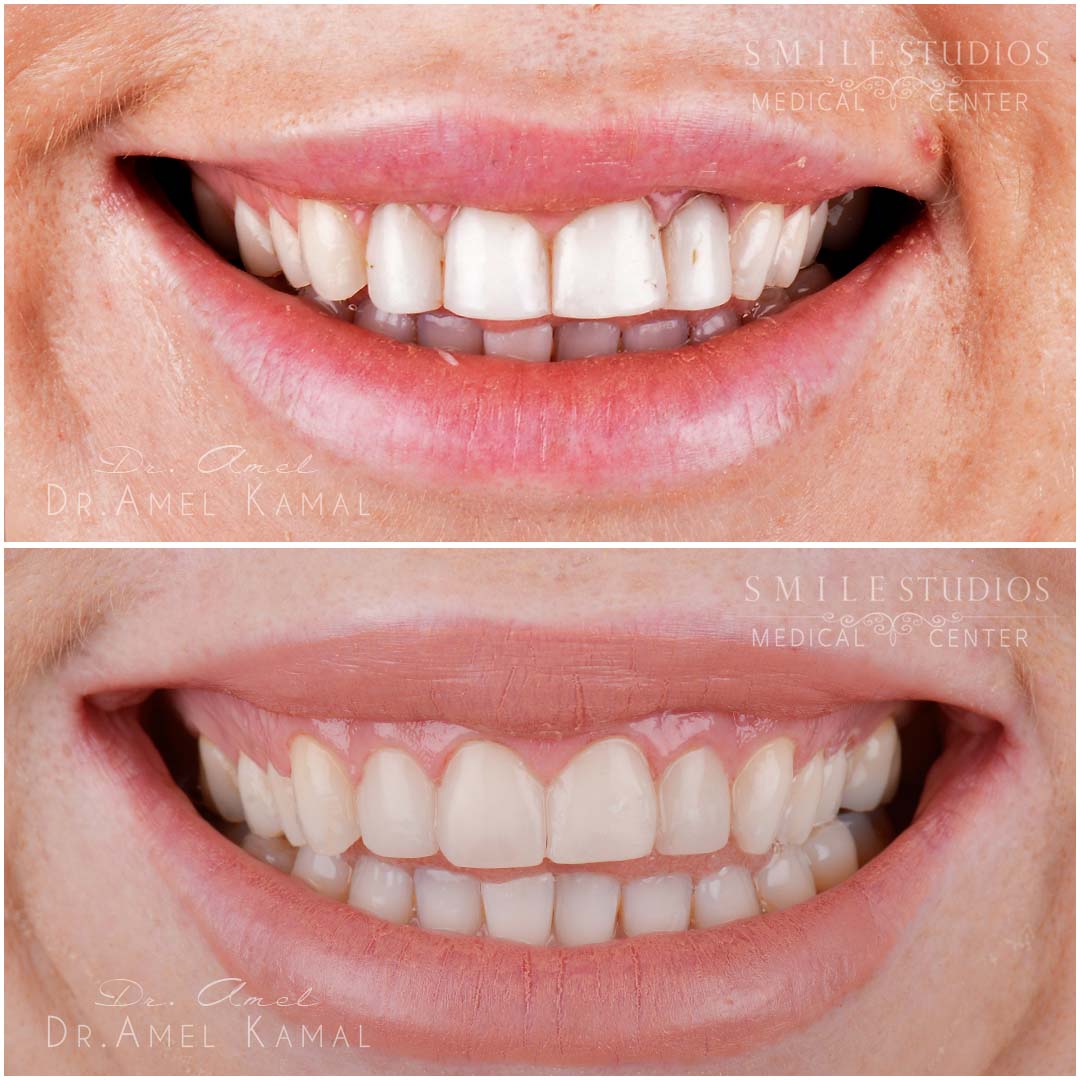
The answer is: well-designed veneers can look remarkably natural. In fact, the best veneers are often the ones that do not look like veneers at all. They should complement your facial features, smile, lips, skin tone, and natural teeth while creating a healthier, more balanced appearance.
Natural-looking veneers are not simply about choosing a very white shade. A beautiful smile depends on careful planning, tooth proportions, shape, translucency, texture, and how the veneers interact with your overall facial appearance.
What Makes Veneers Look Natural?
Several factors determine whether dental veneers look authentic or artificial.
1. The Right Tooth Shape and Proportions
There is no single tooth shape that looks beautiful on everyone.
The ideal veneer design should consider your:
- Facial shape
- Lip shape and movement
- Smile line
- Tooth width and length
- Gum position
- Existing tooth anatomy
- Age and facial characteristics
- Natural tooth proportions
For example, very square, extremely long or overly uniform teeth may make a smile appear artificial if they do not suit the patient’s facial features.
A skilled cosmetic dentist designs veneers specifically for the individual rather than using the same shape for every patient.
2. Choosing the Correct Veneer Shade
One of the biggest misconceptions about veneers is that whiter automatically means better.
Extremely bright, opaque white teeth can sometimes make veneers look artificial, particularly when the shade does not harmonize with the patient’s complexion, lips, eyes and facial features.
A natural-looking smile may contain subtle variations in colour and translucency.
Your dentist may consider:
- Tooth shade
- Brightness
- Translucency
- Surface texture
- The colour of your natural teeth
- Your skin tone and facial features
- The appearance of your smile under different lighting
The goal is not necessarily to create the whitest possible smile. The goal is to create a smile that looks beautiful, healthy and believable.
3. Translucency Creates a More Natural Appearance
Natural enamel is not completely opaque. Light passes through it and reflects in different ways.
High-quality porcelain veneers can be designed with varying levels of translucency to reproduce some of the optical characteristics of natural enamel.
This is particularly important around the edges of the teeth, where excessive opacity can make veneers appear artificial.
The right balance between translucency and opacity can help create depth and a more lifelike appearance.
4. Natural Surface Texture Matters
Perfectly smooth, completely flat-looking teeth can sometimes appear less natural.
Natural teeth have subtle surface characteristics, including small ridges, grooves and variations in texture.
During veneer fabrication, the dentist and dental laboratory can reproduce carefully controlled surface details to help the restorations interact naturally with light.
These details may be subtle, but they can make a significant difference to the final appearance.
5. Tooth Symmetry Does Not Mean Identical Teeth
A common mistake in cosmetic dentistry is creating teeth that are too identical.
Natural smiles usually have a degree of individuality.
The central incisors should generally appear balanced, but tiny variations in shape and contour can help the smile look more natural.
Good cosmetic dentistry aims for harmony rather than artificial perfection.
6. The Smile Line Should Match Your Face
Your teeth do not exist separately from your face.
The position and length of the teeth should work with your lips and facial proportions.
During a smile, the relationship between the upper teeth, lower lip and gum line contributes significantly to the appearance of the smile.
A well-designed smile can improve the balance between the teeth and surrounding facial structures without making the teeth look oversized or disconnected from the face.
7. Gum Contouring Can Make a Major Difference
Even beautifully made veneers can look unnatural if the gum line is uneven.
In some patients, improving the symmetry of the gum margins may be part of the overall smile design.
Depending on the individual case, treatment may involve carefully planned gum contouring or other periodontal procedures before veneers are placed.
The goal is to create harmonious proportions between the gums and teeth.
Can Veneers Look Too White?
Yes.
One of the most common concerns with veneers is an overly white or opaque appearance.
However, the issue is not simply the colour itself. A very bright smile can still look natural when it is carefully designed with appropriate translucency, texture, shape and proportions.
The problem usually occurs when the veneers are:
- Excessively opaque
- Too uniform in colour
- Too bulky
- Too long
- Poorly matched to the facial features
- Designed without considering the patient’s natural smile
This is why veneer treatment should not be based on selecting a shade from a colour chart alone.
Why Some Veneers Look Fake
When veneers look artificial, it is often because too much emphasis has been placed on making the teeth “perfect” rather than making them harmonious.
Common problems include:
Overly bulky teeth: Veneers that are too thick can change the way the lips appear and may make the smile look unnatural.
Excessive uniformity: Making every tooth exactly the same shape can remove the subtle variations found in natural teeth.
Incorrect proportions: Teeth that are too long or too wide can dominate the face.
Poor shade selection: An inappropriate combination of brightness, opacity and translucency can create an artificial appearance.
Ignoring the gums: Uneven gingival levels can affect the overall symmetry of the smile.
Lack of facial analysis: Designing teeth without considering the patient’s face and lips can result in a smile that looks disconnected from their appearance.
Porcelain Veneers and Natural-Looking Results
Porcelain veneers are widely used in cosmetic dentistry because they can reproduce many of the optical properties of natural enamel.
However, the material alone does not guarantee a natural result.
The final appearance depends on the combination of:
Diagnosis + Smile Design + Tooth Preparation + Material Selection + Shade + Laboratory Communication + Clinical Technique
This is why choosing an experienced cosmetic dentist is an important part of veneer treatment.
Does Everyone Need the Same Number of Veneers?
No.
Some patients may only need veneers on a few visible teeth, while others may benefit from a larger smile makeover.
The ideal number depends on factors such as:
- How many teeth are visible when you smile
- Tooth position and alignment
- Existing restorations
- Tooth colour
- Smile width
- Facial proportions
- Bite and occlusion
- The patient’s cosmetic goals
A good treatment plan should be based on what is appropriate for your individual smile, rather than automatically placing the same number of veneers on every patient.
Can Veneers Look Natural Even If I Want a Very White Smile?
Yes.
A bright smile does not necessarily have to look artificial.
The key is controlling the combination of shade, translucency, texture, tooth shape and proportions.
Some patients prefer a very bright Hollywood-style smile, while others want a more subtle, natural appearance.
Both can be achieved when the design is carefully planned around the individual patient.
How Is a Natural-Looking Smile Designed?
A comprehensive cosmetic consultation should involve more than simply choosing the colour of your veneers.
Your dentist may evaluate:
- Facial proportions
- Lip position and movement
- Smile line
- Tooth proportions
- Gum levels
- Tooth colour
- Existing restorations
- Bite and occlusion
- Tooth position
- Your expectations and preferred smile style
Digital photographs, scans, diagnostic models and, where appropriate, digital smile design can help with treatment planning and communication.
In some cases, a temporary mock-up or trial smile can also help you visualise the proposed changes before definitive veneers are fabricated.
What Should You Look for When Choosing a Cosmetic Dentist?
If you are considering porcelain veneers or a complete smile makeover, look beyond before-and-after photographs.
Ask your dentist:
- How will the veneers be designed for my facial features?
- What material do you recommend and why?
- How will the shade and translucency be selected?
- Will I be able to preview the proposed smile?
- How will my bite be evaluated?
- How much natural tooth structure needs to be removed?
- What happens if I grind or clench my teeth?
- How will my gums and existing teeth be managed?
A beautiful smile should also be a functional and biologically responsible smile.
The Goal Is Not “Perfect Teeth” — It Is a Beautiful, Natural Smile
The most successful veneer treatment does not necessarily produce teeth that everyone immediately recognises as veneers.
Instead, the result should look harmonious with your face and natural when you smile, speak and laugh.
At the heart of successful cosmetic dentistry is the balance between aesthetics, function and preservation of healthy tooth structure.
If you are considering veneers, a personalised smile assessment can help determine whether veneers are appropriate for you and what type of result can realistically be achieved.
Frequently Asked Questions
Do veneers always look fake?
No. High-quality veneers can look very natural when they are properly planned, designed and placed.
What type of veneers look the most natural?
The material is only one part of the equation. Natural-looking results depend on the combination of veneer material, shade, translucency, tooth shape, surface texture and personalised smile design.
Can veneers look natural if I want very white teeth?
Yes. A very bright smile can still look natural when the colour, translucency, shape and proportions are carefully controlled.
Can veneers change the shape of my smile?
Yes. Veneers can alter tooth shape, length, width and colour. The extent of change depends on your existing teeth, bite and treatment goals.
Are veneers suitable for everyone?
Not necessarily. A comprehensive dental examination is important before treatment. Issues such as active decay, gum disease, insufficient tooth structure, severe bite problems or uncontrolled tooth grinding may need to be addressed first.
How long do veneers last?
Their longevity depends on the material used, tooth preparation, bite, oral hygiene, diet and habits such as grinding or biting hard objects. Regular dental examinations are important for maintaining both veneers and the natural teeth underneath.
Looking for Natural-Looking Veneers in Bahrain?
If you are considering porcelain veneers, composite veneers or a complete smile makeover in Bahrain, the most important step is a detailed consultation and personalised smile assessment.
Rather than choosing a standard “veneer look,” your treatment should be planned around your facial features, natural teeth, bite and aesthetic goals.
The best smile makeover is not the one that looks like you had veneers. It is the one that looks like you were simply born with a beautiful smile.
Book Now
It’s easy and free!